
Artificial Intelligence and Privacy: How to Protect Personal Data in a Connected World
Understanding the Impact of AI on Privacy
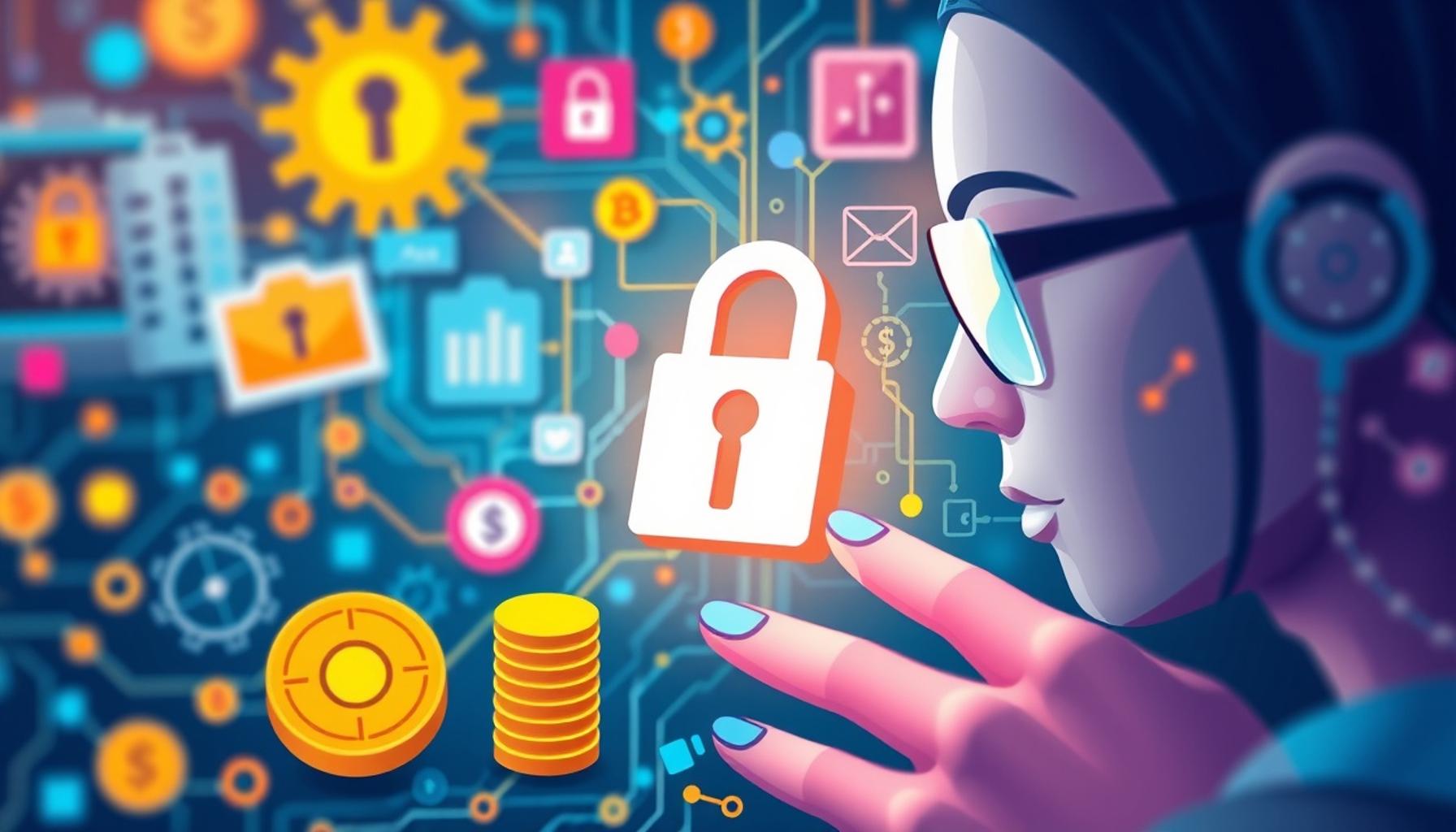
In our fast-paced digital world, the advent of artificial intelligence (AI) is reshaping how we engage with technology in both personal and professional settings. From tailored shopping experiences to enhanced healthcare management, AI’s capabilities are undeniably impressive. However, with these advancements come crucial concerns about privacy and the protection of our personal data.
Each time we interact with connected devices, whether it’s through a smartphone app or a smart refrigerator, we generate invaluable data. This data is a goldmine for companies leveraging AI to refine their services and products. For example, consider how social media platforms utilize user activity data: by analyzing your likes, shares, and even the duration of your posts, they can create highly personalized targeted advertisements. This not only increases engagement but also enhances the likelihood of conversions—making it a win-win for businesses.
Moreover, smart home devices, such as thermostats and security cameras, are designed to monitor daily routines. By collecting data on your habits, they can optimize energy usage and enhance your home’s security. For instance, a smart thermostat can adjust the temperature according to your presence or absence, thus saving energy and reducing bills. Similarly, healthcare applications track fitness levels and medical history, enabling users to make informed decisions regarding their health while providing health professionals with essential information for diagnosis and treatment.
Despite the advantages of AI, understanding how it affects our privacy is of paramount importance. In our interconnected environment, safeguarding personal information proves to be a complex challenge due to several factors. First, there’s the increased data collection and processing capabilities of modern AI systems. They are designed to gather vast amounts of information, often more than we realize.
Furthermore, the potential for data breaches is a considerable concern. High-profile incidents, such as the Equifax data breach, highlight how susceptible personal data can be to unauthorized access and misuse. Such breaches can lead to severe consequences for individuals, including identity theft and financial loss.
Additionally, the regulatory landscape presents its own challenges. While laws like the General Data Protection Regulation (GDPR) in Europe set a framework for data protection, the United States lacks a comprehensive federal privacy law, making it difficult to manage data privacy uniformly across various states and sectors.
Given these challenges, it’s important to consider practical strategies to protect your data in this AI-driven world. This article will provide insights on effective measures that individuals can take to maintain their privacy, from utilizing strong passwords to understanding privacy settings on social media platforms. With proper awareness and proactive steps, you can navigate the complexities of AI and data protection more confidently.
DISCOVER MORE: Click here to deepen your understanding
Recognizing the Scope of Data Collection
To address privacy concerns effectively, it is crucial to first recognize the scope of data collection that occurs in our everyday lives. As we embrace the conveniences offered by AI technologies, we often overlook how much data we are willingly sharing. This data can include everything from our location history, browsing habits, and purchase patterns, to biometric information such as fingerprints and facial recognition data.
AI systems learn from this data to enhance their functionality. For instance, voice assistants like Amazon’s Alexa and Apple’s Siri analyze our voice commands to provide personalized responses. However, each interaction contributes to a profile created by the AI that reflects our preferences and behaviors. This method of data collection may seem benign, but it raises significant questions about who has access to this information and how it is being used.
Moreover, many users fail to understand the extent of data sharing that occurs when they agree to various terms of service. Often, these agreements are lengthy and complex, making it difficult for the average person to fully comprehend the implications of their consent. As a result, personal information may be sold to third parties or used in ways that individuals did not anticipate.
Common Areas of Concern
When discussing data privacy in the context of AI, several key areas warrant attention:
- Smart Devices: Items like smart speakers, wearables, and security cameras continuously collect data about users’ routines and environments. This wealth of information can be used for targeted marketing, but it can also raise concerns about surveillance.
- Social Media: Platforms like Facebook and Instagram utilize AI algorithms to curate content, but they also keep extensive logs of users’ interactions. These logs can be analyzed to create detailed user profiles, often without explicit consent.
- Online Shopping: E-commerce platforms gather data on purchases, search histories, and customer reviews to enhance user experience but can also lead to over-targeted ads that feel invasive.
The interconnectedness of these devices amplifies the risks associated with data collection. As more devices become “smart” and interconnected, ensuring privacy becomes increasingly complex. The reality is that every click, swipe, and voice command has the potential to be logged and analyzed.
Understanding the scale of data collection is the first step to taking control of your personal information. By recognizing what data is being collected and how it is used, individuals can better navigate the challenges that come with AI technologies and make informed decisions regarding their privacy.
DISCOVER MORE: Click here to learn about crowdfunding’s impact
Strategies for Safeguarding Your Personal Data
Recognizing the data collection landscape is just the first step in protecting your privacy in an increasingly connected world. Once individuals understand the types of data being gathered, they can implement specific strategies to safeguard their personal information against misuse and exploitation.
Practical Steps for Individuals
The most effective means of protecting your data is to become proactive in managing it. Here are some practical steps you can take:
- Review Privacy Settings: Whether it’s social media platforms, smart devices, or apps, take the time to review and adjust privacy settings. These settings often allow you to limit data sharing, control what information you provide, and decide who sees your content. For instance, on Facebook, you can customize the audience for your posts and control which apps have access to your data.
- Utilize Encryption: Using encrypted services for messaging and email can significantly enhance your privacy. Applications like Signal and WhatsApp offer end-to-end encryption, ensuring that only the intended recipient can read your messages.
- Limit Data Collection: Be mindful of the information you share online. Avoid oversharing personal details such as your location, contact information, or daily routines that can be easily exploited or misused. For example, consider not enabling location tracking unless necessary and disabling it when no longer needed.
- Stay Informed about Third-Party Apps: Many applications require users to create accounts, often leading to data sharing. Make sure to vet third-party apps by researching their data collection policies and reviews from other users. If an app raises red flags, seek alternatives that prioritize user privacy.
- Utilize Privacy-Focused Browsers and Tools: Consider using browsers like Firefox or DuckDuckGo that emphasize user privacy, alongside tools such as VPNs (Virtual Private Networks) to help mask your internet activity from prying eyes.
Understanding Legal Protections
In addition to personal strategies, it’s important to be aware of the legal frameworks in place that aim to protect your data. In the United States, several laws govern data privacy:
- California Consumer Privacy Act (CCPA): This law gives California residents the right to know how their data is collected and used. It also allows individuals to request the deletion of their personal data and opt-out of the sale of their information.
- Health Insurance Portability and Accountability Act (HIPAA): For medical data, HIPAA establishes strict regulations on how health information can be shared and protected.
- Children’s Online Privacy Protection Act (COPPA): This federal law requires websites to obtain parental consent before collecting personal information from children under the age of 13.
Being aware of these laws can empower individuals to take action if they believe their rights have been violated. Organizations that fail to comply with these regulations can face significant penalties, providing a layer of protection for your personal information.
By adopting these practical strategies and understanding the legal protections available, individuals can play an active role in managing their privacy in an AI-driven world. Taking control of your personal data means being informed, cautious, and proactive in protecting your privacy in everyday interactions.
DISCOVER MORE: Click here to find out how to apply
Conclusion
In an era where artificial intelligence and data collection are woven into the very fabric of our daily lives, protecting our personal data is more crucial than ever. As we have explored, the responsibility of safeguarding our privacy rests not only on organizations that collect our data but also on individuals who interact with technology. By adopting proactive measures, such as carefully reviewing privacy settings and being judicious about the information we share, we can significantly reduce the risks of data misuse.
Furthermore, understanding the legal frameworks that protect our rights—such as the California Consumer Privacy Act and other regulations—empowers us to take appropriate action if our privacy is compromised. Knowledge is our greatest ally in navigating the complexities of a connected world. It equips us to make informed decisions and to seek out services and companies that prioritize our privacy.
Ultimately, in this interconnected landscape, our online safety hinges on a collective commitment to awareness and vigilance. While technology continues to evolve, we must remain resilient and adaptable, embracing strategies that foster both innovation and privacy. By doing so, we can harness the power of artificial intelligence while maintaining our fundamental right to privacy, ensuring a future where our data remains secure and our personal lives are respected.

Linda Carter
Linda Carter is a writer and organization expert specializing in minimalism and personal organization. With extensive experience helping individuals create clutter-free, functional spaces and adopt mindful habits, Linda shares her knowledge on our platform. Her goal is to empower readers with practical advice and strategies to simplify their lives, stay organized, and achieve a sense of calm and balance in their daily routines.

