
Electric Vehicles and Their Implications for Reducing Carbon Footprint in the USA
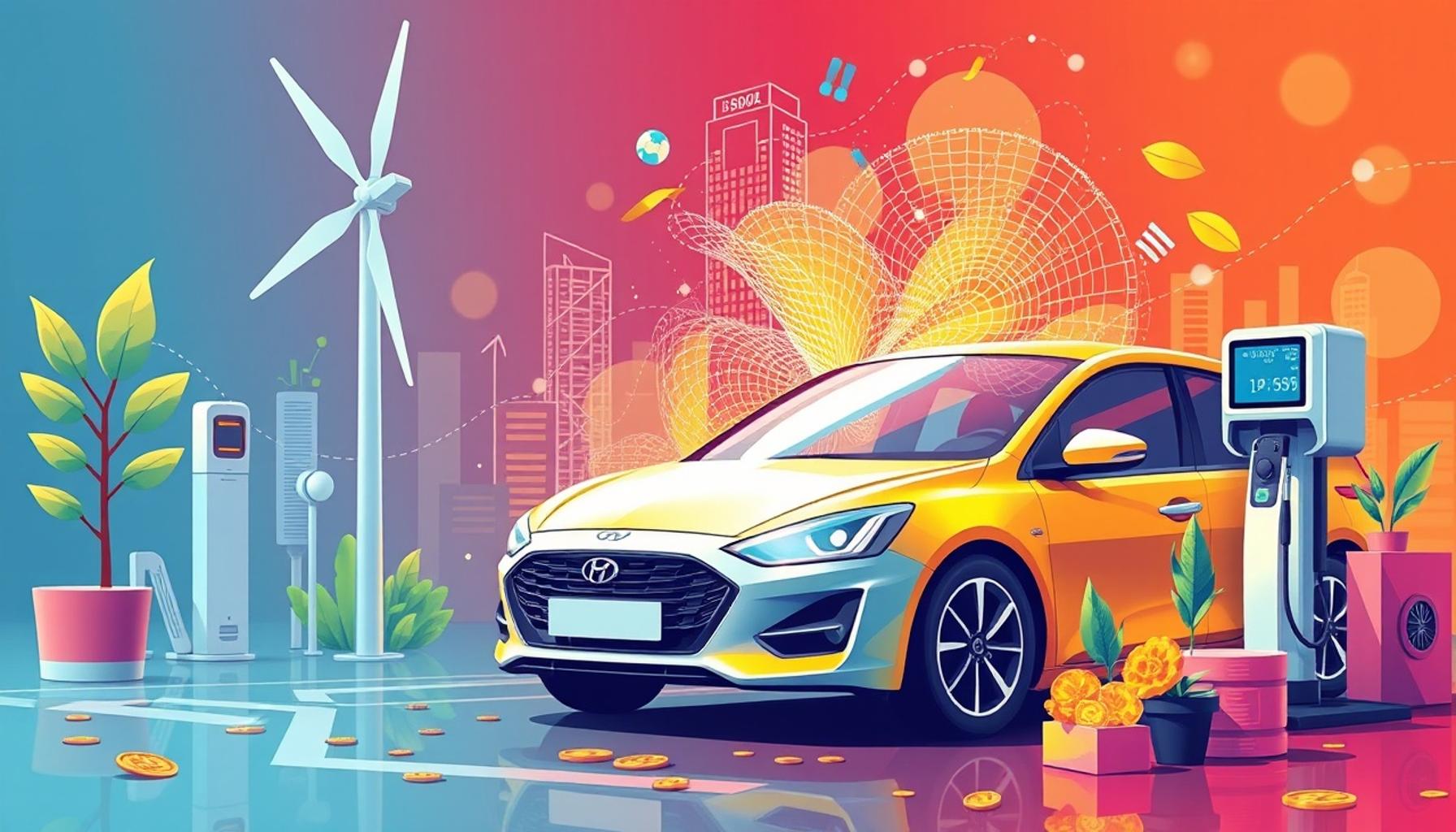
Understanding the Benefits of Electric Vehicles
The growing awareness of climate change has led to an increasing shift in consumer preferences and government policies toward sustainable practices. Electric vehicles (EVs) are at the forefront of this change. They offer a promising solution to reduce greenhouse gas emissions and promote a cleaner environment. Understanding the benefits of EVs helps to illuminate why these vehicles are becoming a popular choice among drivers across the nation.
Environmental Advantages
One of the most compelling reasons to consider adopting an EV is the reduced emissions. Unlike traditional gasoline-powered vehicles, which emit harmful gases like carbon dioxide, nitrogen oxides, and hydrocarbons, EVs operate without producing any tailpipe emissions. This transition is crucial, especially in urban areas where air quality is often compromised. For instance, a study from the Union of Concerned Scientists estimates that transitioning to an electric vehicle can reduce carbon emissions by more than half over its lifetime compared to a gasoline vehicle.
Moreover, EVs promote energy efficiency. Electric motors are far more efficient than internal combustion engines, converting over 60% of electrical energy from the grid to power at the wheels. In contrast, conventional gasoline vehicles only manage to convert about 20% of the energy stored in gasoline into motion. This efficiency not only translates to lower energy consumption but also means that less energy is wasted, making EVs a smarter choice for the environment.
Integration with Renewable Energy
Another promising aspect of electric vehicles is their ability to be charged with renewable energy sources. By utilizing solar, wind, or hydroelectric power to charge EVs, drivers can significantly reduce their carbon footprint. For example, homeowners with solar panels can charge their EVs during the day when energy is abundant and inexpensive, thereby maximizing the environmental benefits of driving electric.
Economic Considerations
The financial benefits of owning an electric vehicle are also noteworthy. First, lower fuel costs can make a significant difference in monthly expenses. On average, charging an electric vehicle can cost less than half that of fueling a gasoline car, leading to considerable savings over time. For a typical driver, this can mean thousands of dollars saved over the vehicle’s lifespan.
In addition to savings on fuel, various government incentives exist to promote the adoption of electric vehicles. Many states offer tax credits and rebates that can reduce the upfront cost of an EV, further making them an attractive option for potential buyers. For example, the federal government provides a tax credit of up to $7,500 for new electric vehicle purchases, a significant incentive for those considering an EF.
Lastly, the rise of the electric vehicle market is contributing to job creation. As more manufacturers enter the EV space and infrastructure develops for charging stations, this burgeoning industry is expected to create hundreds of thousands of new jobs in areas such as manufacturing, installation, and maintenance.
In summary, electric vehicles present an opportunity not only to mitigate environmental concerns but also to generate economic benefits for individuals and the broader society. As awareness and technology improve, the future of transportation in the United States looks increasingly electric.
DISCOVER MORE: Click here to find out how
The Impact of Electric Vehicles on Carbon Emissions
Electric vehicles (EVs) have been gaining traction not just for their innovative technology but also for their potential to foster significant reductions in carbon emissions. As the United States moves toward more stringent environmental regulations and goals for reducing greenhouse gases, understanding how EVs contribute to these objectives is vital.
Reducing Dependency on Fossil Fuels
A major contributor to greenhouse gas emissions is the combustion of fossil fuels in traditional vehicles. The transportation sector is one of the largest sources of carbon emissions in the U.S, accounting for nearly 29% of total greenhouse gas emissions. By transitioning to electric vehicles, we can help decrease this dependency on fossil fuels. EVs can be powered by a diverse range of energy sources, including renewable resources, which can dramatically lower the overall carbon emissions associated with vehicle use.
Lifecycle Emissions
When considering the environmental impact of electric vehicles, it is crucial to evaluate lifecycle emissions. This analysis takes into account the emissions generated throughout the entire lifespan of a vehicle—from production to disposal. While it’s true that the manufacturing process of EVs, particularly the batteries, can produce higher emissions compared to conventional cars, the net emissions over the vehicle’s lifetime still tend to favor EVs. Research has shown that, despite the initial carbon ‘cost’ of manufacturing, EVs generally have lower total lifecycle emissions due to their operational efficiency and reliance on cleaner energy sources during their use phase.
Adoption Rates and Carbon Reduction Goals
The U.S. government has set ambitious goals to reduce carbon emissions by at least 50% by 2030 compared to 2005 levels. For this aim to be accomplished, the adoption rate of electric vehicles needs to increase significantly. Key initiatives include:
- Consumer Education: Enhancing awareness about the benefits and savings associated with EVs.
- Investment in Infrastructure: Expanding charging networks to ease concerns over range and accessibility.
- Support for Research and Development: Continued advancements in battery technology to improve range and reduce costs.
These initiatives will not only help accelerate the transition to electric vehicles but also contribute significantly toward achieving national carbon reduction targets. The implications of adopting a larger electric vehicle fleet extend beyond personal benefits; they represent a cohesive effort in the fight against climate change.
As more consumers embrace electric vehicles, we will likely see profound implications for urban air quality and public health, creating cleaner environments for future generations. The electric vehicle revolution is not merely a trend—it’s a necessary shift toward a sustainable future.
DON’T MISS OUT: Click here to learn how to safeguard your finances
Economic Benefits of Electric Vehicle Adoption
While the environmental impacts of electric vehicles (EVs) are often highlighted, it is also essential to consider the economic benefits associated with their adoption. Transitioning to electric vehicles not only contributes to the reduction of carbon emissions but can also create significant cost savings for consumers and stimulate economic growth within the nation.
Cost Savings for Consumers
One of the most attractive aspects of owning an electric vehicle is the potential for long-term savings on fuel and maintenance costs. The average American spends approximately $1,500 annually on gasoline, which can be drastically reduced to around $500 or less for an EV, depending on electricity rates and charging habits. Additionally, electric vehicles require less maintenance than traditional combustion engine vehicles, as they have fewer moving parts. This results in lower repair costs and less frequent mechanical work over the vehicle’s lifespan. These savings can create a compelling reason for many consumers to switch to electric.
Job Creation and Economic Opportunities
The transition to electric vehicles presents numerous economic opportunities across multiple sectors. From manufacturing to charging infrastructure, jobs are increasingly being created in fields related to EV technology. The demand for skilled workers in electric vehicle production, battery manufacturing, and technology services is expected to rise significantly. States like California are already experiencing job growth driven by the growing EV market, and investing in electric vehicle companies can stimulate local economies while promoting sustainable practices.
Government Incentives and Subsidies
To encourage the shift towards electric vehicles, the Federal and state governments are providing various incentives and subsidies. These may include tax credits for purchasing an EV, grants for charging station installations, and rebates for EV-related infrastructure projects. For example, the federal tax credit can be as high as $7,500 for new electric vehicles, making them more accessible to consumers while simultaneously reducing the overall financial burden of transitioning to cleaner transportation. Such initiatives not only promote EV adoption but also stimulate investment in renewable energy sources that power these vehicles.
Regional Variability and Localized Benefits
The impact of electric vehicle adoption varies regionally across the United States, and understanding these localized benefits is crucial. In areas with abundant renewable energy sources, such as wind or solar power, the ecological advantages of driving an EV can be even more pronounced. For instance, states that have invested heavily in renewable energy generation are likely to offer drivers an even cleaner charging option, thus magnifying the carbon footprint reduction associated with EVs. Additionally, cities that embrace EV infrastructure can enjoy improved urban mobility and reduced congestion, further enhancing the quality of life for residents.
As electric vehicles become more commonplace, it is crucial for policymakers and community leaders to recognize and capitalize on these economic opportunities to foster a greener future. By supporting the growth of the electric vehicle market, the United States can not only help meet environmental targets but also create a vibrant and resilient economy that is equipped for the challenges of the future.
DIVE DEEPER: Click here for insights
Conclusion
In conclusion, electric vehicles (EVs) represent a pivotal solution in the quest to reduce carbon footprints in the United States. Their adoption not only provides a path toward cleaner transportation but also brings about significant economic advantages. By shifting to electric, consumers can enjoy substantial cost savings on fuel and maintenance, making EVs an attractive choice for many households.
The economic landscape is further enriched by the jobs created in sectors tied to EV production and infrastructure development. This creates a win-win scenario where environmental benefits coincide with robust job growth, particularly in regions investing in renewable energy sources. Government incentives play a critical role in facilitating this transition, ensuring that the shift towards electric mobility is more accessible and economically viable for all citizens.
Moreover, the benefits of adopting electric vehicles extend beyond individual consumers. Communities that embrace EV technology can experience improved urban mobility, reduced congestion, and better air quality, ultimately enhancing the overall quality of life. As society moves towards a more sustainable future, it is vital for policymakers, businesses, and consumers to collaborate in bolstering EV adoption.
By doing so, the United States can take significant strides toward its environmental goals while simultaneously nurturing a resilient and dynamic economy that thrives on innovation and sustainability. The journey to reducing our carbon footprint is indeed a collective endeavor, and electric vehicles lie at the heart of this transformative movement.

Linda Carter
Linda Carter is a writer and organization expert specializing in minimalism and personal organization. With extensive experience helping individuals create clutter-free, functional spaces and adopt mindful habits, Linda shares her knowledge on our platform. Her goal is to empower readers with practical advice and strategies to simplify their lives, stay organized, and achieve a sense of calm and balance in their daily routines.