

Green Technology in Construction: How Sustainable Materials are Transforming the Real Estate Sector
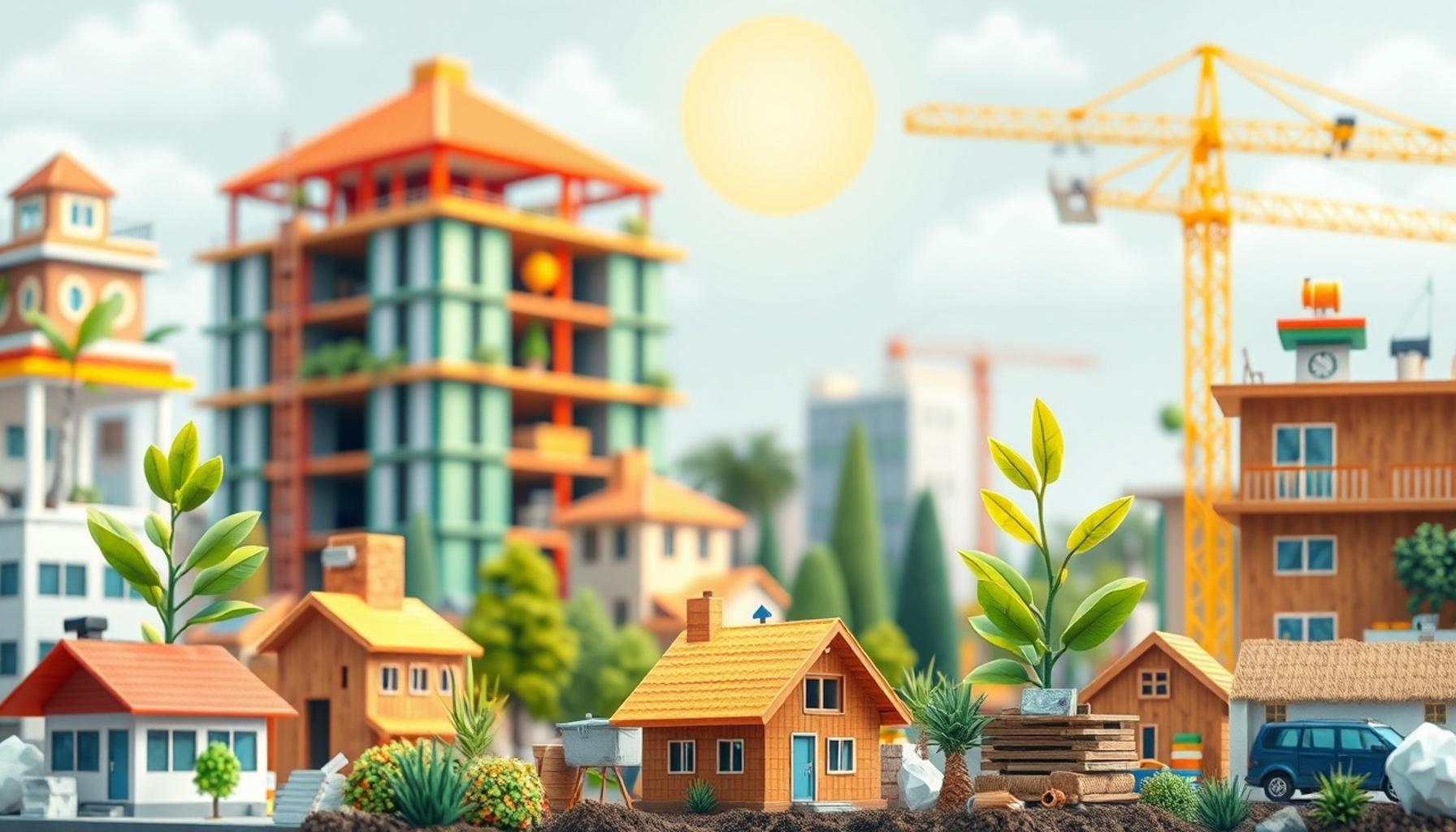
The Rise of Sustainable Materials in Construction
In recent times, there has been a growing trend among builders and developers to adopt green technology as a core aspect of construction. This shift reflects a broader societal recognition of the urgent environmental challenges we face, from climate change to environmental degradation. As we navigate these complex issues, the demand for environmentally friendly and sustainable buildings has led to the increased use of sustainable materials in modern construction practices.
Builders are now prioritizing materials that not only adhere to safety regulations but also play a crucial role in environmental preservation. Using sustainable materials can drastically change the construction landscape. Some notable examples include:
- Recycled steel: This material is often repurposed from old buildings and structures, significantly reducing waste as well as the energy required for new production. By using recycled steel, builders can lessen the overall carbon emissions associated with sourcing new raw materials.
- Rammed earth: This technique involves compacting natural soil into sturdy walls, utilizing materials that are locally sourced. This practice not only cuts down on transportation emissions but also creates an aesthetically pleasing natural finish, blending structures harmoniously within their environments.
- Sustainable timber: Timber sourced from sustainably managed forests ensures that the wood harvested is replenished and the ecosystem remains intact. Certifications like the Forest Stewardship Council (FSC) label help consumers identify responsibly harvested timber, thus supporting sustainable forestry practices.
- Green insulation: Insulation made from recycled denim or cellulose helps enhance energy efficiency in buildings. These materials keep homes warm in the winter and cool in the summer, significantly reducing reliance on heating and cooling systems which in turn lowers energy bills for homeowners.
The benefits of integrating these sustainable materials into construction practices extend beyond just environmental stewardship; they also represent a significant economic opportunity. Buildings constructed with sustainable materials often see a reduction in operational costs due to increased energy efficiency. Furthermore, they contribute to healthier living environments by minimizing harmful pollutants and toxins that can affect indoor air quality.
As awareness of these benefits continues to grow, the real estate sector faces a pivotal transformation. Developers who embrace sustainability not only improve their marketability but also create spaces that reflect a commitment to profitability and environmental responsibility. This dual advantage positions sustainable construction practices at the forefront of industry innovation as we strive for a more sustainable future.
DIVE DEEPER: Click here to learn more
Understanding the Benefits of Sustainable Materials
The incorporation of sustainable materials in construction not only benefits the environment but also positively impacts builders, buyers, and the broader community. By selecting eco-friendly options, stakeholders in the real estate sector can create structures that respect and preserve our natural resources while simultaneously enhancing their own economic viability. Understanding these benefits is crucial for both developers and consumers who are passionate about sustainability.
One of the most significant advantages of using sustainable materials is the inherent energy efficiency. For instance, buildings that utilize green insulation materials, such as cellulose or recycled denim, can effectively minimize energy loss. This leads to lower utility bills for residents and businesses alike, reflecting a commitment to sustainability that can also translate into significant cost savings over time. Moreover, energy-efficient buildings often qualify for various incentives, including tax credits and rebates, further enhancing their affordability.
Another vital benefit is the improved indoor air quality, which is increasingly becoming a priority for homeowners. Traditional construction materials often contain volatile organic compounds (VOCs) that can negatively affect health and well-being. Conversely, many sustainable materials are either low-VOC or VOC-free, contributing to healthier living environments. For example, products such as low-emitting paints and finishes not only minimize harmful emissions but also create more pleasant spaces to inhabit.
The use of sustainable materials can also facilitate waste reduction. Construction often generates significant waste, a byproduct of the sourcing, manufacturing, and installation processes. However, sustainable construction practices aim to lower this footprint by using materials that can be recycled or are designed for longevity. For instance, utilizing recycled steel or reclaimed wood can significantly reduce reliance on new resources, thus minimizing the burden on landfills and the environment.
- Cost Savings: Sustainable building materials often lead to long-term savings through reduced energy consumption and operational costs.
- Health Benefits: Low-VOC products enhance indoor air quality, leading to healthier living and working conditions.
- Waste Management: Recycled or reclaimed materials reduce the volume of waste generated, promoting a more responsible approach to construction.
- Market Demand: As public interest in eco-friendly buildings rises, developers who provide sustainable options position themselves advantageously within the market.
Beyond these direct benefits, there is an emerging realization that adopting sustainable practices can significantly enhance a project’s market value. Properties built with eco-friendly materials often command higher resale prices. Buyers are increasingly looking for homes that exhibit a commitment to sustainability, making green features an attractive selling point. This heightened demand is leading developers to integrate more sustainable options in their projects, recognizing that long-term viability hinges on adaptability to market trends – and sustainability is at the forefront of this evolution.
These advantages collectively signify a noteworthy evolution within the construction landscape. As the movement toward greener practices continues to gain momentum, it becomes clear that sustainable materials are not just a trend; they are the building blocks of a more responsible and resilient future in real estate.
DISCOVER MORE: Click here for detailed guidance
The Role of Innovative Technologies in Sustainable Construction
As the construction industry shifts towards sustainability, innovative technologies play a pivotal role in maximizing the potential of sustainable materials. These advancements are not only streamlining the construction process but also enhancing the performance and durability of eco-friendly building options. This synergy between technology and sustainability is propelling the real estate sector into a new era defined by efficiency and responsibility.
One of the most revolutionary technological breakthroughs is the development of building information modeling (BIM). BIM allows architects and builders to create detailed digital representations of buildings, enabling them to plan more effectively and use materials more judiciously. For example, through BIM software, builders can simulate how different sustainable materials would interact in their structures, optimizing choices that promote energy efficiency and reduce waste. By assessing materials’ performance in a virtual environment, projects can minimize resource consumption before construction begins, serving both environmental and economic goals.
Furthermore, the rise of prefabricated construction is significantly contributing to sustainable practices. Prefab components are often manufactured off-site in controlled environments, which allows for better resource management and waste reduction during the construction phase. These components can be crafted using recycled materials or designed to include energy-efficient features, such as passive solar designs. For instance, a company in California has successfully implemented prefabricated homes with integrated solar panels, demonstrating that sustainable innovation can also lead to energy independence for homeowners.
Smart building technologies are additionally redefining how we utilize sustainable materials. Systems equipped with smart technology allow for real-time monitoring and adjustments based on occupancy and environmental conditions. For example, smart thermostats learn a building’s energy usage patterns and adjust heating and cooling accordingly, which enhances energy efficiency. When combined with sustainable materials, these technologies help ensure that buildings truly perform at their best, reducing long-term operational costs and environmental impact.
- Building Information Modeling (BIM): Enhances planning efficiency and material usage through detailed digital simulations.
- Prefabricated Construction: Reduces construction waste and resource consumption while enabling the use of innovative sustainable materials.
- Smart Technology Integration: Allows effective monitoring and adjustment of energy use for optimized performance.
The integration of renewable energy technologies further amplifies the benefits of sustainable materials. Solar panels, wind turbines, and geothermal heating systems are increasingly being incorporated into new constructions. By utilizing these renewable energy sources, buildings can further reduce their dependency on fossil fuels. For instance, developments in some states have demonstrated how integrating solar panels can lead to a net-zero energy model, meaning these buildings produce as much energy as they consume over a year. This progression demonstrates that sustainability is feasible and beneficial from both an environmental and economic standpoint.
In addition, the focus on local sourcing of materials contributes to the sustainability agenda, as it reduces transportation emissions while supporting local economies. This approach aligns with the principles of green construction, emphasizing not only the environmental but also the social dimensions of sustainability. Projects that prioritize local resources often reflect a commitment to community development along with eco-friendliness.
Ultimately, these technological advancements and practices underscore that the future of construction is not just about building, but about building wisely. As sustainable materials intersect with innovation, they drive the real estate sector towards a more sustainable and profitable future.
DIVE DEEPER: Click here to learn more
Conclusion
In conclusion, the movement towards green technology in construction represents a pivotal shift in the real estate sector, profoundly influenced by the integration of sustainable materials and innovative practices. As highlighted throughout this article, the incorporation of technologies such as building information modeling (BIM), prefabricated construction, and smart building technologies is not merely improving efficiency but is reshaping the entire industry’s approach to sustainability. These advancements allow for careful planning and resource management, minimizing waste and operational costs while maximizing environmental benefits.
The use of renewable energy sources within construction further underscores the immense potential for buildings to achieve net-zero energy models. Such practices not only contribute to a healthier planet but also speak to the economic advantages of decreased utility costs for homeowners and tenants alike. Additionally, the emphasis on local sourcing further ties sustainability with community development, fostering local economies while reducing the carbon footprint associated with long-distance material transport.
As stakeholders in the real estate sector prioritize sustainability, the future of construction is one where environmental responsibility and profitability coexist. This not only benefits builders and investors but also empowers communities and enhances the well-being of future generations. Ultimately, adopting green technology in construction is more than a trend; it is a necessary evolution aimed at ensuring a sustainable, functional, and thriving built environment for all.

Linda Carter
Linda Carter is a writer and organization expert specializing in minimalism and personal organization. With extensive experience helping individuals create clutter-free, functional spaces and adopt mindful habits, Linda shares her knowledge on our platform. Her goal is to empower readers with practical advice and strategies to simplify their lives, stay organized, and achieve a sense of calm and balance in their daily routines.
