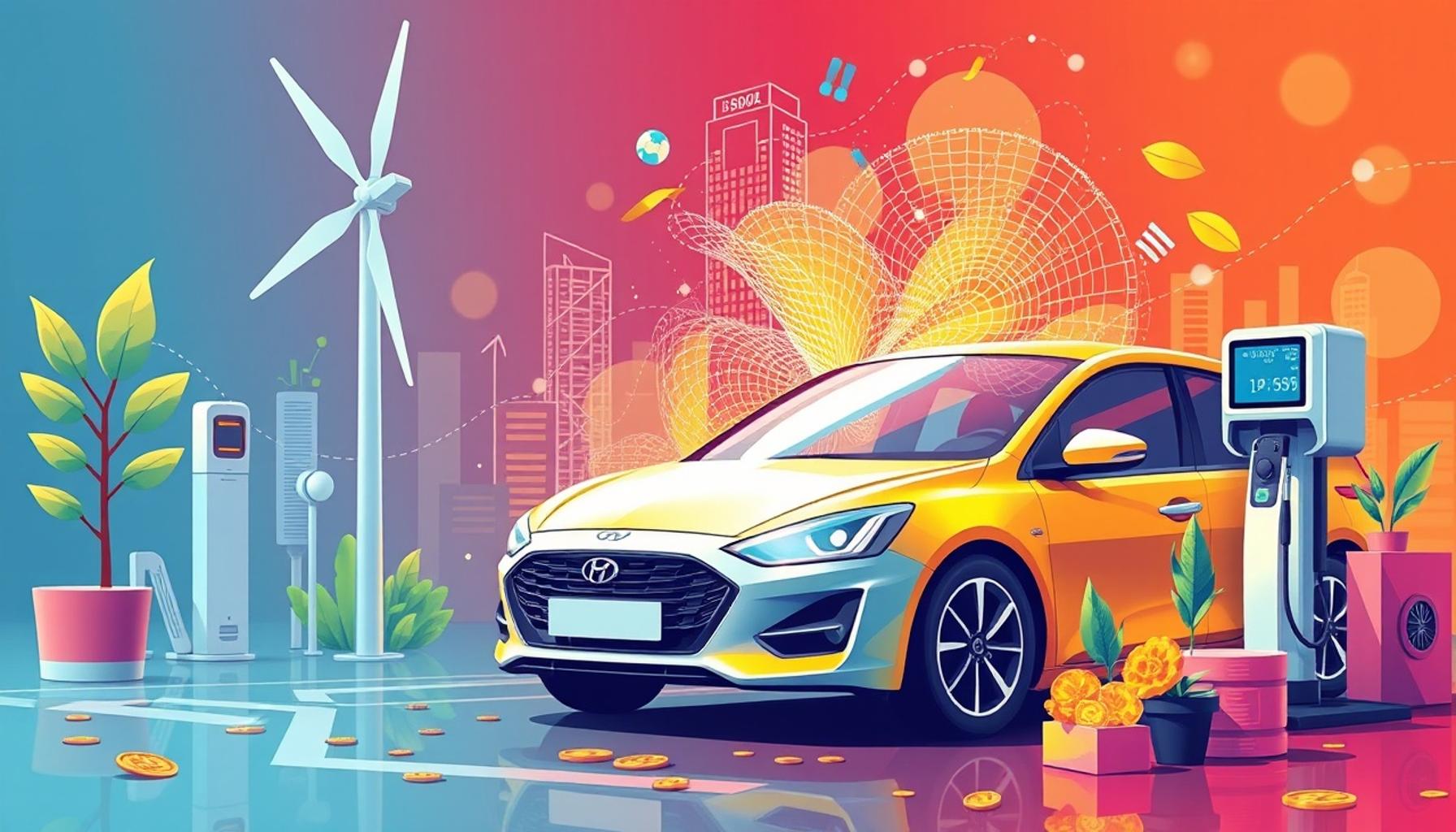
The Revolution of Electric Vehicles: Challenges and Opportunities in Sustainable Mobility
Understanding Electric Vehicles
The emergence of electric vehicles (EVs) is transforming our perspectives on travel, offering a promising avenue toward sustainable mobility in response to growing environmental concerns. As cities grapple with air pollution and climate change, EVs are gaining popularity as a cleaner alternative to traditional gasoline-powered vehicles. However, this transition is not merely about switching to electric; it encompasses a broader transformation of the automotive landscape, presenting both challenges and remarkable opportunities.
Driving Factors Behind EV Adoption
There are several key factors propelling the rise of electric vehicles. For one, environmental benefits stand as a primary motivator. EVs emit no tailpipe pollutants, contributing significantly to improved air quality in urban environments. For instance, cities like Los Angeles and New York City have reported substantial increases in air quality due to the gradual substitution of electric for fossil-fuel vehicles.
Another significant advantage is energy efficiency. Electric motors typically convert about 60% of the electrical energy from the grid to power at the wheels, whereas conventional gasoline engines only convert about 20% of the fuel’s energy into movement. This higher efficiency means that EVs can operate more sustainably and cost-effectively in the long run.
Moreover, technological advancements in battery technology are revolutionizing the market, with improvements that have facilitated longer driving ranges and faster charging times. For example, many modern EVs can now travel over 300 miles on a single charge, and, with innovations like fast-charging stations, recharging can take as little as 30 minutes.
Challenges to Overcome
While the advantages of EVs are compelling, challenges remain. One major hurdle is the charging infrastructure. A comprehensive and accessible network of charging stations is crucial for consumers to feel confident about switching to electric. Many states are actively working to expand their charging services; for instance, California, known for its electric vehicle initiatives, has over 70,000 charging stations, leading the nation in infrastructure development.
Another challenge is the cost associated with purchasing an electric vehicle. Despite the fact that operating costs, such as maintenance and energy consumption, are generally lower for EVs, the initial purchase price can be higher than that of conventional cars. However, various incentives, such as federal tax credits and state rebates, are available to help offset these costs, making EVs increasingly accessible.
Additionally, there is a need for greater consumer awareness. Many potential buyers remain unaware of the benefits and practicality of electric vehicles. Education campaigns that emphasize the savings on fuel and maintenance, as well as the environmental advantages, can help to bridge this knowledge gap.
Future Prospects in Electric Mobility
Despite the existing challenges, the future of electric vehicles looks bright. The combination of advancing technology, evolving consumer attitudes, and supportive government policies presents a wealth of opportunities for innovation. As societal shifts toward greener technologies continue, the vision of sustainable mobility becomes increasingly attainable, potentially paving the way for a cleaner, healthier future for all.
DISCOVER MORE: Click here to learn how fintechs are transforming the business landscape
The Rise of Electric Vehicles: Key Factors in Their Adoption
The journey toward widespread electric vehicle (EV) adoption is driven by various factors that make them an attractive option for consumers and governments alike. As we explore these factors, it becomes clear that they significantly support the transition toward sustainable mobility.
Environmental Benefits
One of the most compelling reasons for the rise of electric vehicles is their positive impact on the environment. Traditional gasoline cars release harmful pollutants, contributing to air quality deterioration and climate change. In contrast, EVs produce zero tailpipe emissions, enhancing urban air quality and reducing greenhouse gas emissions. For instance, a typical electric vehicle can reduce an individual’s carbon footprint by up to 50% compared to conventional vehicles. This reduction plays a crucial role in combating climate change and promoting public health.
Energy Efficiency
Another driving factor is the energy efficiency of electric vehicles. Electric motors are inherently more efficient, converting a higher percentage of energy from the battery to actual driving power compared to internal combustion engines. This higher efficiency results in lower energy consumption per mile traveled, making EVs a more sustainable mode of transportation. To quantify this, while a gasoline engine converts about 20% of fuel energy to power, an electric vehicle achieves approximately 60% efficiency. The financial savings associated with this efficiency can significantly impact consumers’ budgets over time.
Technological Innovations
Technological advancements play a vital role in promoting EV adoption. Battery technology has seen remarkable enhancements, allowing for increased driving ranges and shorter charging times. For example, many contemporary electric vehicles can travel over 300 miles on a single charge, compared to earlier models that often fell short of 100 miles. Furthermore, the development of rapid charging networks has enabled drivers to recharge their vehicles in as little as 30 minutes. These innovations ensure that EVs are more convenient and practical for everyday use, addressing one of the key concerns of potential buyers.
Supporting Government Policies
Government incentives are another important factor driving the adoption of electric vehicles. Various federal and state programs offer financial incentives, such as tax credits and rebates, making EVs more affordable for consumers. States like California provide substantial rebates that can significantly lower the purchase price, while the federal government offers a tax credit of up to $7,500 for qualified electric vehicles. These incentives help to alleviate the initial cost barrier, encouraging a broader range of consumers to consider the switch to electric mobility.
In Conclusion
In summary, the adoption of electric vehicles is being driven by the combined forces of environmental benefits, energy efficiency, technological innovation, and supportive government policies. Understanding these elements is vital to appreciating not only the present state of EVs but also their potential to reshape sustainable mobility. As these factors continue to evolve, they pave the way for a future where electric vehicles play a prominent role in everyday transportation.
DIVE DEEPER: Click here to uncover more insights
The Challenges Ahead: Navigating the Path to Electric Vehicle Adoption
While the adoption of electric vehicles (EVs) presents numerous opportunities, it is also accompanied by a set of challenges that stakeholders must navigate to ensure a sustainable and successful transition to electric mobility. Understanding these challenges is crucial for consumers, policymakers, and manufacturers alike.
Infrastructure Development
One prominent challenge is the need for extensive charging infrastructure to support the growing number of electric vehicles on the road. Unlike gasoline vehicles, which benefit from a well-established network of fuel stations, EVs require charging stations to be widely available and conveniently located. This involves significant investments from both the public and private sectors. Current estimates indicate that the United States needs to increase charging stations from approximately 100,000 to over 400,000 by 2030 to meet the projected demand. Expanding the charging network not only involves increasing the number of stations but also ensuring that they are fast and capable of supporting various charging technologies.
Range Anxiety
Another hurdle that consumers face is range anxiety. Despite advancements in battery technologies, some individuals remain apprehensive about the driving range of electric vehicles compared to traditional gasoline-powered cars. While many modern EVs can already travel over 300 miles on a single charge, the perception that one may not find a charging station on longer trips can deter potential buyers. Addressing this fear requires educating consumers and developing comprehensive routes and plans for long-distance travel, clearly marking charging stations along major highways to instill confidence in EV usage.
Battery Production and Environmental Impact
The production of EV batteries, particularly lithium-ion batteries, raises concerns about the environmental impact and resource depletion. Mining for lithium, cobalt, and nickel — essential materials in battery manufacturing — can lead to environmental degradation and ethical issues, including poor labor practices in some producing countries. Hence, developing recycling methods and exploring alternative materials is crucial to minimize the ecological footprint of EV production. Innovations such as solid-state batteries could potentially reduce reliance on rare metals and improve performance, but research and development in these areas are still ongoing.
Cost of Electric Vehicles
While prices for electric vehicles have begun to mirror those of combustion engines, the upfront costs remain a barrier for many consumers. Although incentives like federal tax credits help mitigate this issue, the initial financial burden can still be daunting for some buyers. The average price of an electric vehicle in the U.S. is around $60,000, compared to approximately $45,000 for a new gasoline vehicle. It is essential for manufacturers to continue investing in methods to reduce production costs and pass those savings onto consumers to promote wider adoption.
Public Perceptions and Consumer Education
Finally, public perception of electric vehicles remains a challenge. Misinformation about the performance, efficiency, and safety of EVs can create hesitation among potential buyers. To combat this, manufacturers and policymakers must engage in comprehensive education campaigns that inform the public about the benefits of EVs, dispel myths, and highlight the technological advances in the market. Collaborations between manufacturers, government agencies, and environmental organizations can help drive a greater understanding of electric vehicles, ultimately leading to increased acceptance and adoption.
As we analyze the challenges linked to electric vehicle adoption, it becomes clear that overcoming these barriers is essential for achieving sustainable mobility. By addressing infrastructure needs, educating consumers, and refining production processes, the path towards a greener transportation future will become clearer and more achievable.
DIVE DEEPER: Click here to discover emerging real estate opportunities
Conclusion: Embracing a Green Future with Electric Vehicles
The transition to electric vehicles (EVs) represents a significant step towards sustainable mobility, offering both challenges and opportunities that must be thoughtfully addressed by all stakeholders. As we move forward, it is imperative to recognize that overcoming infrastructure challenges, such as expanding charging networks, will play a crucial role in enhancing the feasibility of EV adoption. Facilitating easy access to charging will boost confidence among potential consumers and alleviate range anxiety.
Moreover, addressing the environmental implications of battery production is paramount. By investing in innovative recycling methods and exploring alternative materials, we can minimize the ecological impact of EVs while promoting ethical sourcing practices. Addressing the upfront costs through subsidies and incentives will also enhance affordability, making electric vehicles accessible to a broader audience.
Education and awareness campaigns are equally vital in shaping public perceptions. By providing accurate information about the performance, benefits, and safety of EVs, we can dispel myths and empower consumers to make informed choices. Collaboration among manufacturers, policymakers, and environmental organizations will be essential in driving positive change.
Ultimately, the journey toward a sustainable transportation future is a collective one, requiring commitment, innovation, and proactive measures. By embracing the revolution of electric vehicles, we have the opportunity to mitigate climate change, reduce pollution, and foster cleaner, greener communities. Let us seize this moment, ensuring that the road ahead is paved with possibility and progress.

Linda Carter
Linda Carter is a writer and organization expert specializing in minimalism and personal organization. With extensive experience helping individuals create clutter-free, functional spaces and adopt mindful habits, Linda shares her knowledge on our platform. Her goal is to empower readers with practical advice and strategies to simplify their lives, stay organized, and achieve a sense of calm and balance in their daily routines.