Transformation of the labor market: the influence of artificial intelligence on future professions
The Evolution of Work in the Age of AI
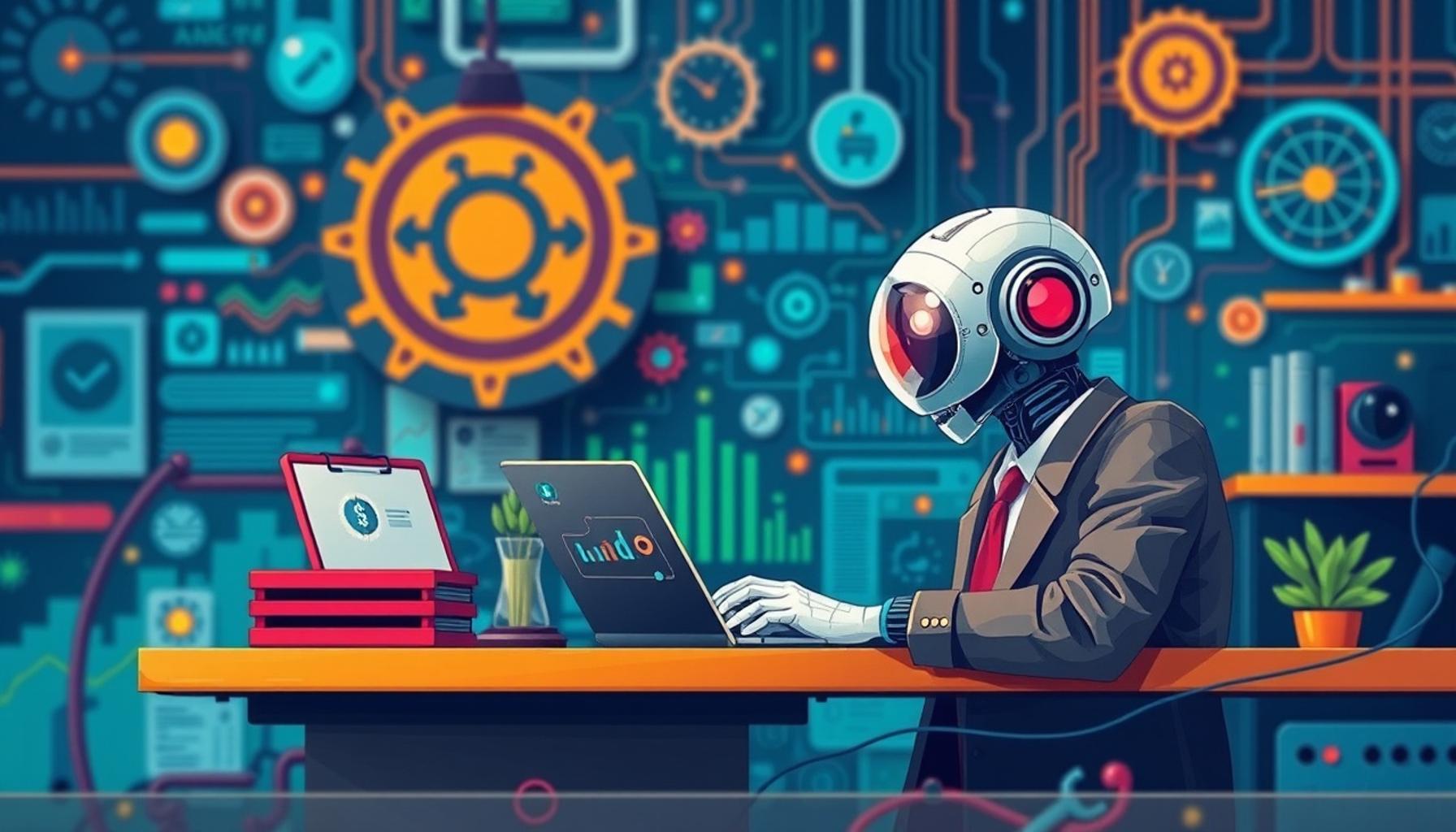
The labor market is evolving at an unprecedented pace, greatly influenced by innovative technologies, with artificial intelligence (AI) leading the charge. As we delve into the future, it becomes increasingly vital to grasp how these technological advancements are reshaping various professions and the attitude needed to flourish within these new surroundings.
Impact of AI on Job Roles
The integration of AI into the workplace will transform job roles in multiple ways. One of the most significant changes will be:
- Job Automation: A multitude of repetitive and mundane tasks are set to be automated. For example, in industries such as data entry and customer service, AI-powered chatbots are already streamlining operations, allowing human employees to focus on more complex inquiries that require a personal touch.
- New Job Creation: The rise of AI is not merely about job displacement; it also heralds the emergence of new job categories. Fields such as AI ethics, where professionals ensure that AI systems operate within ethical boundaries, and machine learning specialists, who develop and refine algorithms, will see increased demand as companies adapt to these technologies.
- Skill Transformation: Existing workers must develop new skills to remain relevant. For instance, while a factory worker may need to learn how to operate and manage robotics systems, a traditional marketing professional might have to acquire knowledge in data analytics to leverage AI insights for targeted campaigns.
Examples Across Industries
To provide perspective, consider the manufacturing sector. While AI and automation could lead to the reduction of manual labor roles, they simultaneously increase the need for data analysts who interpret the data generated by production machines, as well as robotics technicians responsible for maintaining automated systems. Likewise, in the healthcare sector, AI tools are being designed to assist doctors in diagnosing diseases more accurately rather than outright replacing medical professionals. This collaboration between human and AI helps enhance patient care while ensuring vital jobs remain intact.
Preparing for the Future
As we navigate the unpredictable waters of AI and its impact on the labor market, it is crucial for both individuals and organizations to strategically prepare for these changes. Understanding the nuances of this shift equips workers with the necessary insight to successfully carve out their career paths. Investing in constant education and being open to learning new technologies will become paramount in staying ahead in the job market. Programs and resources aimed at upskilling and reskilling should be made available and utilized proactively to maximize potential in emerging roles.
In conclusion, the future job landscape is not solely about the loss of certain jobs due to AI but also about the wealth of new opportunities it presents. By adapting to changes and embracing lifelong learning, individuals can thrive in this new era, transforming challenges into stepping stones for career advancement.
DON’T MISS: Click here for financial strategies that can help your small business</p
AI’s Role in Shaping Job Functions
The integration of artificial intelligence (AI) within various sectors has the potential to dramatically redefine job functions. While AI streamlines processes and increases efficiency, it also introduces a paradigm shift in the way we perceive work. Understanding how AI affects job functions can minimize fears associated with automation and highlight the exciting possibilities that lie ahead.
Job Automation and Its Effects
One of the most immediate impacts of AI on the labor market is the phenomenon of job automation. Routine tasks such as data entry, bookkeeping, and even aspects of sales can now be efficiently managed by AI technologies, freeing up time for employees to engage in more meaningful work. This transformation is evident in several industries:
- Retail: In the retail industry, checkout processes are becoming increasingly automated through the use of self-service kiosks. These systems allow customers to check out without assistance, shifting the role of retail workers from cashiers to customer service representatives who enhance the shopping experience.
- Finance: In finance, AI algorithms analyze market data and execute trades at lightning speed, reducing the need for traditional stock traders. Instead, financial analysts will play a crucial role in interpreting AI-generated insights to inform strategic decisions.
- Healthcare: In a similar vein, AI is driven to assist medical professionals by handling administrative tasks such as appointment scheduling and preliminary diagnostic assessments, enabling healthcare workers to devote more time to patient care.
The Emergence of New Professions
Despite concerns about displacement, the rise of AI is also heralding the creation of entirely new professions. These roles often require specialized skills and an understanding of both technology and industry. Examples include:
- AI Trainers: With AI systems needing guidance on real-world applications, trainers who can teach AI systems to recognize patterns are crucial. These professionals ensure that AI algorithms learn accurately and align with desired outcomes.
- Data Privacy Officers: As AI systems process vast amounts of personal data, organizations require data privacy officers to navigate legal regulations and ethical concerns around data collection and usage.
- Robotics Coordinators: In industries employing advanced robotics, coordinators are needed to oversee the integration of AI technologies within existing workflows and ensure that systems work harmoniously with human efforts.
These examples highlight how workers must adapt to these changes. As roles evolve, it is essential for individuals to not only identify new job opportunities but also to recognize the skills gap created by AI advancements. Lifelong learning will be fundamental in ensuring that the workforce remains equipped to thrive in the rapidly changing job landscape.
Understanding these shifts lays the groundwork for embracing a future where AI complements human efforts rather than fully replaces them. In the upcoming sections, we will explore how individuals can best prepare for these changes, ensuring they stay relevant in the evolving labor market.
DISCOVER MORE: Click here for valuable insights
Adapting Skills for the AI-Driven Workplace
As the labor market transforms due to the integration of artificial intelligence, it becomes increasingly crucial for professionals to adapt their skills to fit this new environment. The shift towards AI-driven tasks necessitates a reevaluation of traditional skill sets and a focus on developing competencies that complement AI technologies. Here, we will explore essential skills that individuals should cultivate, as well as the importance of fostering a culture of continuous learning.
Critical Thinking and Problem Solving
In a workplace enriched by AI, one of the most valuable skills is critical thinking. While AI can analyze vast amounts of data and produce insights, it lacks the ability to understand context or make nuanced decisions that often require human intuition and judgment. For example, while an AI might identify a trend in sales data, it cannot interpret the underlying reasons for those trends without human input. Professionals who can analyze data critically and make informed decisions will be essential in translating AI insights into actionable business strategies.
Emotional Intelligence and Interpersonal Skills
As automation takes over routine tasks, the demand for emotional intelligence (EI) will increase. Professions that require human interaction will benefit from workers who can display empathy, communicate effectively, and build relationships. This is particularly relevant in industries like healthcare and customer service, where AI may handle back-end operations, leaving human professionals to provide the emotional support and personalized service that machines cannot replicate. For instance, a nurse using AI tools for diagnostics can focus on delivering compassionate care to their patients, enhancing their overall experience.
Technical Proficiency and Digital Literacy
With AI entrenched in various sectors, having technical proficiency and digital literacy will become indispensable. This includes not only the ability to use AI tools effectively but also a foundational understanding of how these systems operate. Workers will need to be comfortable with technologies that leverage AI such as customer relationship management (CRM) systems, data analytics platforms, and even machine learning frameworks. For instance, a marketing professional who understands AI-driven advertising algorithms can create more targeted and effective campaigns, ultimately benefiting their organization.
Collaboration with AI Technologies
The concept of collaborating with AI is becoming increasingly significant. This entails not just understanding how to work alongside AI systems but also how to use them to amplify human capabilities. A financial advisor, for example, can utilize AI-driven portfolio analysis tools to enhance their offering, providing clients with sophisticated and data-driven investment advice that combines human insight with advanced technology. Being adept at leveraging AI’s analytical power will differentiate successful professionals from their peers.
To prepare for these evolving demands, organizations should invest in training and development programs that facilitate skill enhancement among their workforce. Furthermore, individuals must take an active role in their learning journey, seeking out opportunities to develop these critical competencies. Emphasizing adaptability will be key as the workforce navigates the new realities of an AI-enhanced job market.
DIVE DEEPER: Click here to learn about mobile payment options
Conclusion: Embracing Change in an AI-Enhanced Labor Market
The transformation of the labor market driven by artificial intelligence presents both challenges and opportunities for future professionals. As the landscape shifts, it becomes evident that traditional job roles are evolving, and new professions are emerging that prioritize collaboration between humans and machines. Key skills such as critical thinking, emotional intelligence, technical proficiency, and the ability to collaborate with AI technologies will play a critical role in this new environment.
To navigate this transformation successfully, individuals and organizations must foster a culture of continuous learning. This entails investing in training programs that equip the workforce with the necessary skills to thrive alongside AI technologies. Workers should take initiative in their professional development, actively seeking opportunities to gain knowledge and enhance their capabilities.
Moreover, the essence of human qualities—such as creativity, empathy, and nuanced decision-making—will remain invaluable assets in a workplace increasingly populated by AI. As such, embracing these traits will not only differentiate individuals in the job market but will also empower them to fulfill roles that machines cannot replicate.
In conclusion, while the future of work influenced by AI may seem daunting, it also holds the promise of innovation and growth. By remaining adaptable and proactive, professionals can ensure they will not only survive but thrive in this exciting new era of the labor market.

Linda Carter
Linda Carter is a writer and organization expert specializing in minimalism and personal organization. With extensive experience helping individuals create clutter-free, functional spaces and adopt mindful habits, Linda shares her knowledge on our platform. Her goal is to empower readers with practical advice and strategies to simplify their lives, stay organized, and achieve a sense of calm and balance in their daily routines.